When Leaders Die Abroad: Nigeria’s Judgment vs. Ghana’s Confidence in Local Healthcare
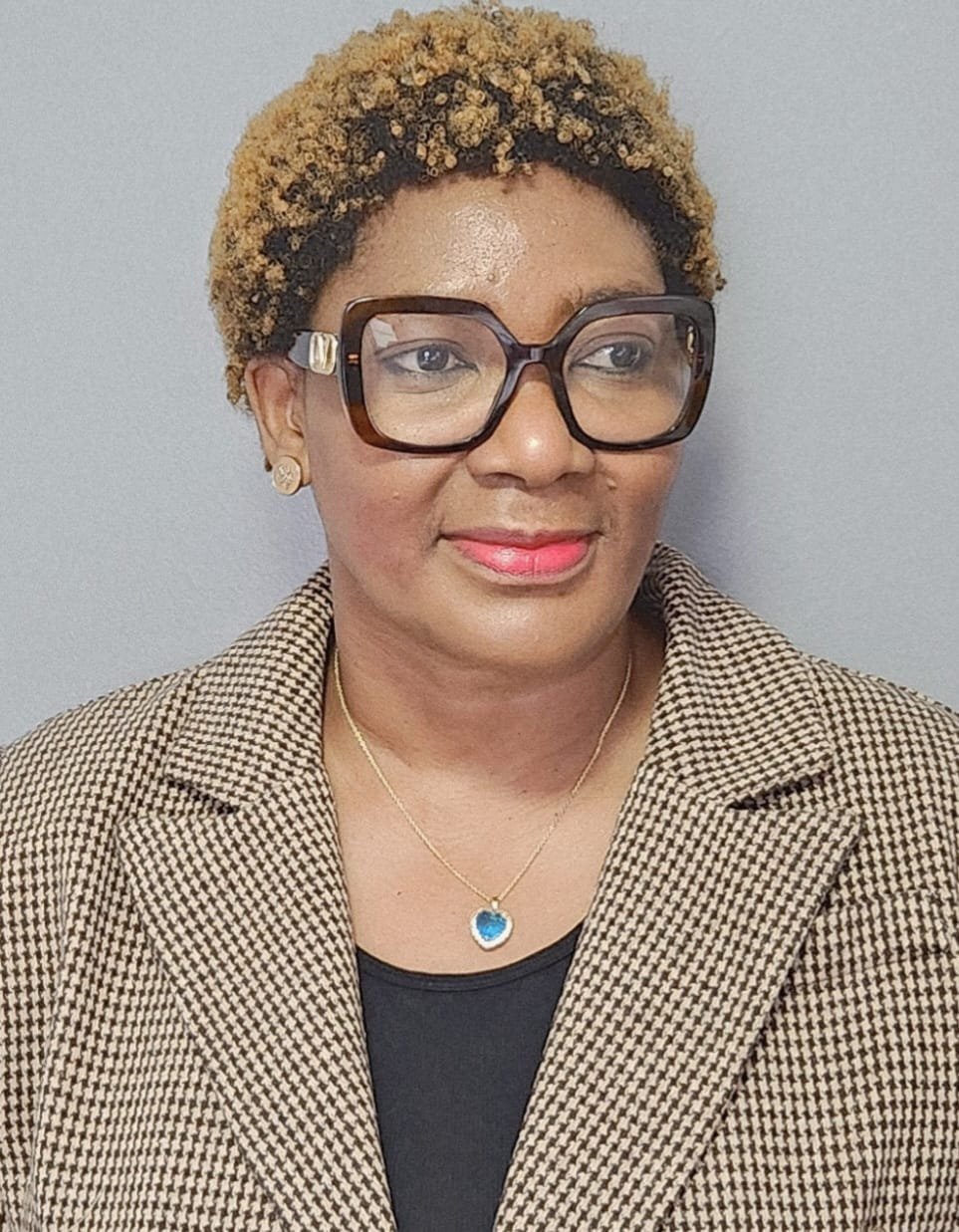
An Opinion by Dr. Nana Akaeze
Nigeria has a deeply troubling track record, one that continues to unfold before the eyes of a weary nation. For decades, some of the country’s highest-ranking leaders have sought medical care not in their own country, but in distant foreign hospitals. Too often, they never return alive. Instead, their bodies are flown back home in flag-draped caskets, met with ceremonial mourning and long speeches that quickly fade into the noise of public frustration. What follows is a national drama of grief, symbolism, and painful irony because many of these same leaders had the power, resources, and time to build the kind of healthcare system that might have saved them, or at the very least, allowed them to die with dignity in the land of their birth.
That moment wasn’t just about sports; it was about national dignity. It showed that when leaders are intentional about celebrating success, it can ignite hope, unity, and pride among citizens. It was proof that Nigeria can be a nation where excellence is honored at home, not just recognized abroad.
Now, we encourage President Tinubu to extend this same spirit of national dignity and excellence to another critical area: our healthcare system. Nigerians, both elite and ordinary, deserve hospitals they can trust, facilities equipped with modern technology, and trained professionals who are empowered and respected. A country that can honor its sports heroes with medals should also be able to honor its sick and vulnerable with quality care.
Let this be the administration that finally says, “No more medical tourism for leaders.” Let this be the government that decides our hospitals will be good enough not only for the masses, but for presidents, ministers, and the elite. Because true leadership doesn’t fly first class to escape the system, it stays on the ground to fix it.
President Tinubu, your legacy can be greater than medals and moments. It can be systems and structures. Your administration has a rare opportunity to rewrite history and restore faith in public health, not just through policy documents, but through visible investment, personnel training, hospital reform, and equitable access to care for all citizens.
We hope your next major announcement will not be about another official traveling abroad for treatment, but rather about a comprehensive plan to bring healthcare home to ensure that Nigerians no longer die waiting for care or praying for a visa to survive.
Leadership that celebrates the people must also serve the people.
Let the same patriotism that cheered for the Falcons inspire us to build a nation where no Nigerian, poor or powerful, must look outside to stay alive.
This persistent pattern is not merely a commentary on personal choice or medical preference. It reflects profound leadership failure, both moral and strategic. A failure to invest in public health infrastructure. A failure to trust and empower Nigerian healthcare professionals. A failure to lead by example. And perhaps worst of all, a failure to uphold the fundamental dignity of the Nigerian people, many of whom must rely on overcrowded, under-resourced, and often inoperable hospitals.
Meanwhile, just across the border, Ghana offers a contrasting and instructive example. While not immune to the challenges of development or resource constraints, Ghana’s presidents and national figures have primarily chosen to remain within the country’s healthcare system, even at the most critical moments of life and death. Whether out of principle, policy, or patriotism, Ghanaian leaders have demonstrated a rare but essential leadership quality: trust in their institutions. They have died in Ghanaian hospitals, been treated by Ghanaian doctors, and in doing so, affirmed the credibility and capacity of the very system they were responsible for strengthening.
This essay aims to confront Nigeria’s tragic pattern of exporting its leaders for medical treatment, only to import them back home in silence and shame. It will compare this trend with Ghana’s more grounded and patriotic approach and ultimately ask the uncomfortable but necessary question: Why does Nigeria, Africa’s largest economy, continue to abandon its health system and its people, at their most vulnerable hour.
Nigeria’s Leaders Who Died Abroad
From the very dawn of independence, Nigeria’s political elite have consistently turned to foreign hospitals for medical treatment, often at the nation’s expense and always at the expense of public trust. This deeply entrenched pattern has come to symbolize a systemic failure of leadership: a failure to develop, invest in, or even believe in the nation’s healthcare infrastructure. The result is a tragic, recurring drama in which high-profile leaders are flown abroad for care, only to die on foreign soil and be flown home in coffins.
Perhaps the most recent and emblematic case is that of President Muhammadu Buhari (2015–2023), who died on July 13, 2025, at a London clinic after a long and publicly concealed illness. Buhari’s presidency was defined by frequent and unexplained medical trips to the United Kingdom and absences that sometimes lasted for months, leaving the country in a state of uncertainty. His death abroad, while not shocking, cemented what many Nigerians had long feared: the leader of Africa’s most populous nation did not trust the healthcare system over which he presided.
Before him, Dr. Alex Ekwueme, Nigeria’s first civilian Vice President (1979–1983), was flown to London in 2017 after falling into a coma. He passed away there in November of that year. The decision to send him abroad, though approved at the federal level, reignited questions about why a country as wealthy and resource rich as Nigeria could not provide advanced emergency care to one of its most respected statesmen.
Similarly, Chukwuemeka Odumegwu Ojukwu, the former military officer and leader of the Biafran secession, died in November 2011 in a London hospital after a long illness. Despite his status as a historical figure and war hero to many in the Southeast, Ojukwu’s final days were spent in a British facility, rather than among the people and institutions he had once fought to protect.
Looking into the National System:
Stella Obasanjo, First Lady and wife of former President Olusegun Obasanjo, died in Spain in 2005 following complications from a cosmetic surgery procedure.
Diepreye Alamieyeseigha, former Governor of Bayelsa State, died in Dubai in 2015, also while receiving treatment abroad.
The trend is not merely personal or incidental; it is institutional and systemic. Whether under military rule or civilian democracy, Nigerian leaders have demonstrated a disturbing pattern: they invest very little in national healthcare, then flee to foreign hospitals when their own lives are at risk. This is not simply a matter of poor infrastructure; it is a deliberate choice made by those with power and privilege to opt out of the very system they were elected or appointed to improve.
As millions of naira are funneled into overseas treatment and medical evacuations, Nigeria’s public health facilities are left to crumble. Hospitals lack electricity, water, drugs, or functioning equipment. Doctors, frustrated by inadequate pay and unsafe working conditions, emigrate in droves, often to the same countries our leaders rely on for care. Meanwhile, the average Nigerian dies from easily preventable conditions, malaria, hypertension, and childbirth complications—not because these illnesses are untreatable, but because the system itself has been hollowed out.
This is more than a national embarrassment. It is a moral failure of leadership, a betrayal of the social contract between the government and its citizens. It is a situation where the few preserve themselves abroad, while the many are left to perish at home.
Why This Happens: A Self-Fulfilling Shame
Nigeria’s healthcare system has not failed by accident; it has collapsed under the weight of prolonged, intentional neglect. Despite being Africa’s largest economy and one of its most resource-rich nations, Nigeria’s investment in health is alarmingly insufficient and unstrategic. For decades, successive administrations have paid lip service to healthcare reform while doing little to arrest the system’s decay. The consequences are dire and well-documented.
First, there is chronic underfunding. On average, Nigeria allocates less than 4% of its national budget to healthcare, which is far below the 15% benchmark agreed upon by African Union member states in the Abuja Declaration of 2001 and significantly below the World Health Organization (WHO)’s global standard for sustainable health investment. This budgetary negligence has left hospitals with crumbling infrastructure, insufficient drugs, poorly maintained equipment, and unpaid staff. It also starves public health initiatives that could prevent disease and promote wellness, particularly in rural communities where healthcare access is already limited.
Second, the brain drain continues to hemorrhage our most skilled professionals. More than 5,000 Nigerian-trained doctors currently practice in the United Kingdom alone, according to the UK General Medical Council. Many more are in the United States, Canada, and across the Gulf states. This exodus is not driven solely by financial considerations, but also by a lack of equipment, poor working conditions, security concerns, and minimal investment in research and professional development at home. In the face of daily frustration, many physicians choose to leave not out of disloyalty, but out of survival.
Third, the health sector is crippled by frequent and unresolved strikes. It is a typical headline: doctors and healthcare workers embark on indefinite industrial action due to unpaid salaries, inadequate hazard allowances, or unsafe working environments. These strikes often last for weeks, even months, with little urgency from the government to resolve them. The result is a healthcare environment that is unstable, unpredictable, and dangerous for both patients and practitioners.
But perhaps most damaging of all is the signal our leadership sends. When the nation’s top political figures—presidents, governors, senators consistently refuse to use the same healthcare system they oversee, they delegitimize it in the eyes of the public. The message is unmistakable:
If I, with all the power and privilege in the country, cannot trust this hospital, why should you.
It is a slap in the face of every citizen waiting in long queues at poorly equipped clinics in UBTH Benin, LUTH Lagos, Lokoja, Gusau, or Aba, and countless others, hoping for treatment that may not be available. Leaders who die abroad reinforce a cruel contradiction: that Nigerian lives are not worth investing in until death looms and then only if you can afford a flight.
This is not just a policy issue; it is a profound ethical failure. A failure to build what they would use. A failure to lead with integrity. A failure to govern with empathy. In a country of over 200 million people, the nation’s health cannot be an afterthought. It must be a cornerstone of justice, equity, and national pride.
When Leadership Abandons the People
Nigeria’s healthcare system has not failed by misfortune—it has been abandoned through sustained political neglect. Despite being Africa’s most populous nation and one of its largest economies, Nigeria invests alarmingly little in the health and well-being of its citizens. The result is not only a broken system, but a leadership culture that flees that system the moment it is tested.
Remember, the underfunding of Nigeria’s health sector budget, which has consistently hovered between 3.5% and 5% of total government spending, far below the 15% commitment outlined in the 2001 Abuja Declaration, a health pledge ironically signed in Nigeria’s capital. By contrast, countries like Rwanda and Ghana have made significant progress in honoring their commitments, as evidenced by their more resilient primary care structures and increased public trust.
This lack of funding means hospitals across Nigeria are plagued with decaying infrastructure, outdated or absent equipment, stockouts of essential drugs, and grossly insufficient staffing. Rural health centers often operate without electricity or running water, and emergency care is virtually nonexistent in many parts of the country.
Nigeria is bleeding Talent; According to the UK General Medical Council (GMC), as of 2023, over 5,400 Nigerian-trained doctors were practicing in the United Kingdom alone, making Nigeria one of the largest exporters of medical professionals to the UK. This figure does not account for those working in the U.S., Canada, Saudi Arabia, South Africa, or other nations. The reasons for this mass emigration are clear: poor remuneration, inadequate equipment, limited career development opportunities, and frequent workplace insecurity.
As one Nigerian doctor recently told the BBC: It is not that we don’t love our country. We want to save lives, and we can’t do that when the hospitals we work in are falling apart (BBC News Africa, 2022).
The constant industrial actions erode both service delivery and morale. Between 2010 and 2023, health worker unions, particularly the National Association of Resident Doctors (NARD), undertook at least 12 major strikes. These are not mere protests; they represent system-wide shutdowns of care, leading to thousands of avoidable deaths, patient backlogs, and immense public suffering. There were many strikes last week, sometimes for months, with little urgency from government actors to intervene or negotiate sustainably.
But beyond the structural collapse lies an even more corrosive truth: Nigeria’s leaders do not trust the very system they claim to govern. And their actions speak louder than any policy speech or budget promise. When presidents, vice presidents, first ladies, and governors travel abroad for medical treatment, often in secrecy, they reinforce a message of elite exceptionalism and institutional neglect. The symbolism is potent and painful. What does it say to the mother in Lokoja, waiting in line at a poorly lit clinic, when her president is receiving dialysis in London? What message does it send to the young medical student in Gusau when the head of state dies in a Swiss facility that no Nigerian citizen could ever access?
The silent answer is this: This system is not good enough for us, but it’s good enough for you.
This two-tier reality erodes trust and deepens the chasm between the ruling class and the people they serve. It tells Nigerians that their lives are not worth investing in, and that their pain is not worthy of urgent reform. Leaders who die abroad are not just failing themselves; they are failing a generation, and they are setting a precedent for failure. Until Nigeria’s leaders use the same hospitals they provide for the people, healthcare reform will remain a slogan. It is only when they check in not to Heathrow or Berlin but to LUTH, ABUTH, UNTH, or UITH that we will begin to see genuine investment, accountability, and improvement.
Ghana’s Contrasting Path: Confidence in Local Care
While Nigeria’s leaders have consistently looked abroad for salvation, Ghana has charted a more grounded and self-reliant path—particularly when it comes to the healthcare choices of its presidents and senior public figures. Ghana’s approach is not without its imperfections, but its symbolism, intent, and outcomes stand in sharp contrast to Nigeria’s institutional abandonment.
One of the most striking examples of this contrast is the case of President John Evans Atta Mills, who died in July 2012 at 37 Military Hospital in Accra, a public health facility within Ghana. Although he had traveled for medical treatment in the past, he returned to Ghana and remained under local care until his death. His passing, though sudden, communicated a clear message: the head of state trusted the hands and institutions of his people in his final hours. That decision marked a defining moment in Ghanaian public consciousness, reinforcing the dignity of local medical institutions and affirming the competence of Ghanaian doctors.
Similarly, former President Jerry John Rawlings, a towering figure in Ghana’s political history, passed away in November 2020 at Korle-Bu Teaching Hospital, the nation’s largest and most prominent medical center. The fact that a man of his global stature remained in Ghana during his illness sent a profound message to both citizens and leaders alike: our institutions are worthy of our trust.
Even Kwame Nkrumah, Ghana’s revered founding father, who died in 1972 while in Romania, left behind a political legacy that prioritized domestic investment in healthcare infrastructure. Under his leadership, Ghana initiated the development of national hospitals, clinics, and health research institutions. Later administrations continued this tradition by expanding teaching hospitals and medical universities. Today, Ghana boasts advanced facilities, such as the University of Ghana Medical Centre (UGMC), and continues to invest in medical technology, capacity development, and staff retention.
What sets Ghana apart is not that all its leaders exclusively use local care, like Nigeria; Ghanaian elites have also traveled abroad for specialized treatment. The difference is that Ghana’s presidents and public figures have not systematically abandoned their nation’s system. In death and life, they remain connected to their country’s institutions. They visibly patronize public hospitals, contribute to their development, and entrust them with their care.
Does Faith Have a Ripple Effect:
Public Trust: When top leaders use national facilities, ordinary citizens are more likely to view those institutions as legitimate and safe.
Professional Morale: Doctors and nurses feel affirmed, valued, and trusted, reducing emigration and encouraging higher performance.
Institutional Investment: Government funding aligns with usage. If leaders rely on local hospitals, they have an incentive to ensure those hospitals function effectively.
National Pride: Ghanaians take pride in knowing their leaders live—and die—among them, not in foreign shadows.
In Nigeria, by contrast, the visible detachment of leaders from local hospitals reinforces disillusionment and despair. The hospitals are for “the masses,” not for those in power. That mindset perpetuates a cycle of underinvestment, mistrust, and elite flight.
What Nigeria Can Learn
Ghana’s model is not perfect, but it is principled. It demonstrates that when leaders embody the values they preach by choosing local care and trusting local talent, they reinforce institutional growth and civic pride. Nigeria can no longer afford the cost of symbolic hypocrisy. It must break the cycle of elite exceptionalism and redirect its wealth into functional, dignified healthcare systems accessible to all.
Nigeria does not lack resources. It lacks the will.
Ghana: Building Confidence Through Commitment
While Nigeria’s leaders have often chosen to flee their nation’s healthcare system at critical moments, Ghana’s leadership history paints a remarkably different picture—one marked by commitment to local institutions, public trust, and principled leadership in life and death. One of the most powerful examples of this is President John Evans Atta Mills, who died in July 2012 at the 37 Military Hospital in Accra. Though he had previously received limited treatment abroad, President Mills returned to Ghana to receive care in a local facility and ultimately passed away on home soil, surrounded by Ghanaian doctors and nurses. His decision to remain in-country during his final days sent a powerful message to Ghanaians: even in the most vulnerable hour, I trust the hands of my people. This singular act became a symbolic gesture of solidarity and institutional belief, one that Nigeria’s leadership has consistently failed to demonstrate.
Likewise, former President Jerry John Rawlings, an iconic figure in Ghanaian history, died in November 2020 at Korle Bu Teaching Hospital, Ghana’s largest and most reputable public medical facility. Despite having the status, influence, and resources to access care abroad, Rawlings remained committed to the Ghanaian health system to the very end. His decision underscored the enduring value he placed on national self-reliance and institutional growth—principles that guided his leadership in both military and civilian rule.
Even Dr. Kwame Nkrumah, Ghana’s first president and a pioneering Pan-Africanist, although he died in exile in Romania in 1972, left behind a legacy of intentional investment in public healthcare and education. Under Nkrumah’s leadership, Ghana laid the foundation for key institutions, including Korle Bu Teaching Hospital and various regional medical centers. His successors continued this momentum by supporting medical education, expanding access to healthcare, and enhancing physician training nationwide.
While Ghana’s healthcare system is far from flawless and continues to face challenges such as underfunding, rising demand, and workforce constraints, its leaders have made a conscious effort to stay within the system, entrust its professionals, and lead by example. This visible commitment has inspired public confidence, sustained government investment, and elevated Ghana’s status as a country that, despite its limitations, chooses to believe.
Institutions such as the University of Ghana Medical Centre (UGMC), 37 Military Hospital, and Korle Bu Teaching Hospital stand today not just as treatment centers, but as symbols of national pride and self-reliance, proof that when leaders stay grounded, their nations rise.
Why Ghana’s Approach Matters
The contrast between Nigeria’s healthcare crisis and Ghana’s more grounded approach to leadership and national care is not just about geography or resources; it is about priorities and principles. Ghana’s leaders, by choosing to place their trust in local institutions, have set a national tone that fosters credibility, unity, and forward momentum. Their choices have ripple effects across policy, public perception, and institutional integrity. Here’s why Ghana’s model matters and what it teaches the rest of the continent, particularly Nigeria.
Trust-Building: Leadership Begins with Belief in One’s Own System
One of the most powerful outcomes of Ghana’s approach is the reinforcement of public trust. When a sitting or former president receives medical care in a national hospital like 37 Military Hospital or Korle-Bu Teaching Hospital, it sends an unequivocal message to the people: “This system works and I believe in it.” That singular decision is transformative. In societies where faith in public services is often low, leadership must not only legislate reform but embody it. In Ghana, presidents have been seen walking hospital corridors, being attended to by local doctors, and relying on the same systems available to ordinary citizens. This signals both accessibility and credibility, two foundational pillars of institutional trust.
In Nigeria, by contrast, the continued evasion of public hospitals by the elite signals a sense of abandonment and elitism. When those at the top flee the very systems they control, it reinforces public cynicism and deepens civic disengagement.
Institutional Growth: Presidential Patronage Drives Development
Institutions do not grow in a vacuum. They thrive when respected, utilized, and prioritized, especially by those in positions of power. In Ghana, when a president or senior official seeks care at a local facility, that institution becomes a national priority. Investments follow. Standards rise. Capacity is built. Resources are allocated not just for appearance, but for functionality.
Ghana’s Korle-Bu Teaching Hospital, 37 Military Hospital, and the University of Ghana Medical Centre (UGMC) have all benefited directly or indirectly from presidential engagement and state-backed funding. These institutions are equipped not only to provide treatment but to serve as training hubs for future medical professionals. This is the power of symbolic leadership. The presence of authority in a place elevates that place. In contrast, when Nigerian leaders consistently abandon national institutions, they inadvertently delegitimize them and prioritize their own interests over the development of these institutions. The result is stagnation, disrepair, and disillusionment among medical staff and the broader public.
Leadership Example: Perception of Unity, Not Separation
When leaders choose the same hospitals as their citizens, it creates a profound sense of unity. It sends a message that “We are in this together.” Citizens do not feel alienated from their leaders; they feel seen, understood, and valued. Ghanaian presidents dying on home soil, surrounded by local healthcare teams, have humanized the office and affirmed their connection to the people. This is a quiet but powerful form of democratic leadership—modeling humility, solidarity, and commitment. In Nigeria, by contrast, when leaders vanish abroad at the first sign of illness, often without public explanation or accountability, it breeds a culture of detachment. Leadership feels distant, inaccessible, and insulated from the everyday struggles of the people. This separation corrodes not only healthcare trust but also civic identity.
Stability & Sovereignty: Building National Systems Reflects National Pride
A self-reliant nation is a stable nation. Ghana’s decision to invest in local care and retain its medical dignity within its own borders affirms its sovereignty, its ability to care for its own people using its resources and professionals.
There is deep pride that comes from knowing your country can meet your most vulnerable needs. It enhances national confidence, reduces dependency, and strengthens internal systems across the board, including education, health, and infrastructure.
When Nigeria’s presidents and public officials rush to foreign hospitals, it sends a signal of weak state capacity. It implies that Nigerian institutions are unworthy of elite trust—and therefore unworthy of elite investment. This is not just a healthcare issue; it is a national identity crisis.
For a nation of over 200 million people, home to some of the world’s most brilliant doctors and scientists, it is a self-inflicted tragedy that our leaders continue to outsource their healthcare while local hospitals collapse.
Overview:
Ghana’s healthcare model stands as a testament to the impact of principled leadership. It is not a system without challenges, nor is it immune to resource limitations, but what sets it apart is the intentional trust its leaders have placed in local institutions. Through consistent investment, visible leadership example, and a deep sense of national pride, Ghana has nurtured a healthcare system that is not only used by its citizens but also trusted by its presidents.
This trust did not happen overnight; it was earned, reinforced, and modeled from the top. Ghanaian presidents have chosen to live and, when the time came, to die within the same healthcare system they helped to shape. Their decisions sent a message that transcended politics: we believe in the hands of our own people, and we will not flee in our most vulnerable moments. That choice alone has helped to foster dignity, patriotism, and institutional growth within Ghana’s health sector.
Nigeria, on the other hand, remains trapped in a cycle of abandonment and hypocrisy. Our leaders consistently bypass the very systems they claim to govern, opting instead for medical sanctuaries abroad while most Nigerians suffer in crumbling hospitals at home. This is not just a public policy failure; it is a national tragedy of identity, leadership, and lost potential.
Until Nigerian leaders are willing to place their trust in Nigerian doctors, hospitals, and institutions, not just in words, but in their own moments of need, we will continue to be a nation ruled from a distance. A nation where the few escape while the many perish. A nation where the most powerful testimony a leader can give—that our systems are enough—is never spoken with conviction.
The truth is painful but clear: no amount of medical tourism will cure the moral sickness of leadership avoidance. Until our presidents can live, fall ill, and even pass away under the care of Nigerian hands, our healthcare system will remain a mirror of our priorities—and our failures.
To change this story, Nigeria must not only invest in hospitals, but in courageous leadership—the kind that chooses to walk the halls of LUTH, UNTH, or ABUTH not just for ribbon-cuttings, but for real care. Only then will we begin to build a legacy of healing worth remembering.
What Nigeria Must Stop and Start
To break free from the cycle of elite exodus, crumbling infrastructure, and avoidable national embarrassment, Nigeria must make bold, unapologetic decisions—decisions that favor justice, equity, and self-reliance over elite privilege and political convenience. The time has come to stop performing patriotism in speeches and start practicing it in policy. To avert this recurrent tragedy of leaders dying abroad while public hospitals rot at home, here’s what Nigeria must stop—and what it must start.
Foreign Medical Trips for Public Officials
No country can reform a system whose leaders refuse to use it. Nigeria should introduce a clear and enforceable ban on publicly funded foreign medical trips for elected and appointed officials. Exceptions should only be made for cases of verified, life-threatening emergencies, and even then, only when no suitable treatment is available locally and the decision is approved by an independent, bipartisan medical panel.
This will not only save billions in foreign medical expenses but also force those in power to directly experience and therefore improve—the same system the majority of Nigerians rely on. Policy changes must begin at the top if national transformation is to be taken seriously.
Mandate Presidential Healthcare at Home
Symbolism matters. Suppose the president of Nigeria, the highest beneficiary of the national healthcare budget, does not use Aso Rock Clinic or any of our top teaching hospitals. In that case, the public has no reason to believe in them. Presidential healthcare should be mandated to take place within Nigerian borders. This includes routine care, diagnostic procedures, and critical interventions unless the president is out of the country during an emergency.
To support this, the Aso Rock Clinic must be transformed from a dysfunctional shell into a model center of excellence. The same should be done for our leading teaching hospitals, LUTH, UNTH, ABUTH, UCH, and others, with modern equipment, well-paid staff, and adequately funded operations. Leadership must model faith in national institutions if the people are to do the same.
Audit Past Medical Expenditures and Reallocate Funds
Billions of naira have been funneled into foreign hospitals, medical flights, and hotel stays for Nigeria’s elite. It’s time to account for this spending. A full independent audit must be conducted to trace:
How much has been spent on foreign healthcare for public officials in the last 20 years.
What percentage of that could have developed and sustained high-quality national facilities?
Where the money was diverted from, and where it must now be redirected.
This audit must be made public and serve as a blueprint for a more transparent, accountable health budget moving forward.
End the Brain Drain by Valuing Medical Professionals
Nigeria’s health sector is not short on brilliance—it is short on respect, investment, and retention. The crisis is not one of competence, but of carelessness in leadership. Every year, some of Nigeria’s most gifted doctors, nurses, and specialists board planes—not for vacation, but for survival. They are not fleeing patients—they are fleeing broken systems.
Thousands of Nigerian-trained medical professionals now save lives in the UK, the United States, Canada, Australia, and Saudi Arabia. Our very own—who once studied in overcrowded classrooms with limited resources, who worked night shifts with failing equipment, who learned to innovate under pressure are now celebrated and heavily recruited by foreign health systems that recognize their worth. Meanwhile, back home, our hospitals continue to suffer from chronic shortages of personnel, equipment, and morale.
But let’s be honest: they did not leave just because of low salaries. They left because of dignity deficits.
They left because they had to work in hospitals without gloves, syringes, or electricity.
They left because their lives were at risk from insecurity on the way to work and in the workplace.
They left because promotion was not based on merit, but on politics, tribalism, and favoritism.
They left because after years of sacrifice and excellence, there was no system in place to reward or support them.
This is the cost of neglect. And it’s not just financial, it’s moral.
When a country treats its best minds like they are disposable, it shouldn’t be surprised when others receive them with open arms. According to the General Medical Council (GMC) of the UK, over 11,000 Nigerian doctors are currently licensed to practice in the UK alone, a number that has surged in the last decade (GMC, 2023). This excludes thousands more in nursing and other allied health fields. These are the professionals who should be running our teaching hospitals, training the next generation, and building sustainable healthcare systems within our own borders.
Brain drain is not just an economic loss, it is a betrayal of national development. We cannot keep investing in medical training only to donate our human capital to other nations. At some point, Nigeria must decide: Do we want to be a producer of global talent or a consumer of foreign aid?
If we want to stop this exodus, we must do more than increase salaries. We must:
Secure our hospitals and healthcare environments.
Provide clear pathways for career growth and leadership.
Equip facilities with modern tools, medications, and technology.
Respect the voices of health workers in policymaking and budgeting.
We must shift from a mindset of charity toward doctors and nurses to one of national priority. These professionals are not asking for luxury; they are asking for the basic tools to save lives with dignity.
In a nation where leaders fly abroad for minor checkups, while citizens die from preventable conditions, the problem is not just poor funding; it is poor value. If we can afford to send entourages overseas for medical tourism, then we can afford to build world-class medical centers here at home. It begins with valuing those who are trained to serve.
President Tinubu and his administration have a chance to change this narrative. The question is no longer whether we have talent; it is whether we have the political will to keep it.
Recommendation:
a) Offer competitive remuneration.
b) Create fast-track consultant positions for returning specialists.
c) Recognize and celebrate medical excellence in national awards and promotions.
d) Create partnerships with diaspora professionals to share their expertise and technology.
e) Rebuilding our workforce is not just a policy goal; it is a matter of national survival.
f) Launch a National “Trust Our Hospitals” Campaign
People believe in what they see. To shift public perception, Nigeria must launch a sustained, transparent, and inclusive “Trust Our Hospitals” campaign. This should involve:
Government officials receive publicized care at local facilities.
Media spotlights on well-functioning hospitals and success stories.
Community forums hold the state and federal governments accountable for healthcare promises.
Real-time data on hospital performance, funding utilization, and patient outcomes.
Just like “Buy Nigeria” campaigns in agriculture and industry, this initiative must challenge both leaders and citizens to rebuild faith in our capacity. National confidence begins with visible action.
A New Direction Is Possible
Nigeria stands at a moral and developmental crossroads. We can either continue exporting our sick and importing their corpses, or we can start investing in the dignity of life at home. The path forward is not painless, but it is clear. It begins with the courage to stop doing what no longer serves us and start building what will sustain us.
The change will come not when Nigeria becomes rich enough to build hospitals like the West, but when it becomes brave enough to trust its people to run them.
Conclusion: Leadership, Legacy, and the Final Breath
Nigeria’s repeated tragedies, its leaders dying on foreign soil, are not merely private medical matters. They are public indictments. Each instance is a symbol of national failure, a betrayal of the social contract, and a vivid reminder that our highest offices continue to prioritize personal preservation over public reform. We fly the dying across oceans while the living perish in waiting rooms. We invest in foreign health systems while our own clinics are starved into irrelevance. These are not just isolated events; they are systemic choices, and they must stop.
In contrast, Ghana offers a deeply instructive model. There, presidents have chosen to entrust their final days to local doctors, public hospitals, and national institutions. Even in death, they have declared: “This land is enough.” Their decisions have built not just hospitals, but national pride, trust in institutions, and a legacy of grounded leadership. It is not perfection—but it is principled. And principles, not resources, are what Nigeria must recover.
The truth is that medical reform will never take root in Nigeria until our leaders stop fleeing the very system they are elected to improve. An ultra-modern healthcare system cannot be flown in from London. It must be built here by us, for us, and especially used by us. Until the president of Nigeria can walk the corridors of LUTH or ABUTH with confidence, until the vice president can receive treatment at the University of Nigeria Teaching Hospital, and until the first lady can undergo routine surgery in Abuja with the same calm as any citizen, we are building nothing lasting.
We will know Nigeria has turned a corner not when we build a single shiny hospital, but when our leaders no longer need foreign soil to breathe their last. That will be the day we begin to craft not just a better health system, but a more just, confident, and sovereign nation.
Let us not settle for grief in exile. Let us demand dignity at home.
We are cautiously hopeful that the narrative can shift under the leadership of President Bola Ahmed Tinubu, and his administration has already demonstrated that aspiration and appreciation can coexist in governance. A prime example is his recent gesture to the Super Falcons and D’Tigress, Nigeria’s women’s basketball team, and Nigeria’s women’s football team, who brought honor and pride to the nation with their international success. Not only did he welcome them with national applause, but he awarded them national honors and medals of distinction and other gifts, an apartment and an equivalent of $100 000.00 (One Hundred Thousand Dollars) to each player a symbolic and tangible act of recognition that lifted not just the team, but the spirits of Nigerians across the world.
References
Reuters. (2025, July 13). Nigeria’s former president Buhari dies in London, the presidency says.
https://www.reuters.com/world/africa/nigerias-former-president-buhari-dies-london-presidency-says-2025-07-13
Wikipedia – Alex Ekwueme.
https://en.wikipedia.org/wiki/Alex_Ekwueme
Wikipedia – Chukwuemeka Odumegwu Ojukwu.
https://en.wikipedia.org/wiki/Chukwuemeka_Odumegwu_Ojukwu
BBC News. (2010, May 6). Nigerian President Umaru Yar’Adua dies.
https://www.bbc.com/news/10103783
The Guardian. (2012, July 24). Ghanaian president John Atta Mills dies aged 68.
https://www.theguardian.com/world/2012/jul/24/ghanaian-president-john-evans-atta-mills-dies
ABC News. (2020, November 12). Ghana’s former president, Jerry Rawlings, dies at 73.
https://abc3340.com/news/nation-world/ghanas-former-president-jerry-rawlings-dies-at-73
WHO. (2023). Global Health Workforce Statistics.
https://www.who.int/data/gho/data/themes/topics/health-workforce
Nigerian Medical Association (NMA). (2023). State of the Health Sector in Nigeria: Press Release.
Premium Times Nigeria. (2017, October 9). Aisha Buhari blasts Aso Rock Clinic: ‘It lacks paracetamol, syringe’.
https://www.premiumtimesng.com/news/headlines/245505-aisha-buhari-blasts-aso-rock-clinic-lacks-paracetamol-syringe.html
The Cable Nigeria. (2015, October 10). Former governor Alamieyeseigha is dead.
https://www.thecable.ng/breaking-alamieyeseigha-is-dead
World Health Organization (WHO). Global Health Workforce Statistics.
https://www.who.int/data/gho/data/themes/topics/health-workforce
Nigerian Medical Association. (2023). Press Statement on the State of the Health Sector. [Document archive]
Premium Times Nigeria. (2017, October 9). Aisha Buhari blasts Aso Rock Clinic: ‘It lacks paracetamol, syringe’.
https://www.premiumtimesng.com/news/headlines/245505-aisha-buhari-blasts-aso-rock-clinic-lacks-paracetamol-syringe.html
The Cable Nigeria. (2015, October 10). Former governor Alamieyeseigha is dead.
https://www.thecable.ng/breaking-alamieyeseigha-is-dead